


Porcelain vs. Composite Veneers: Which Is Right for You?

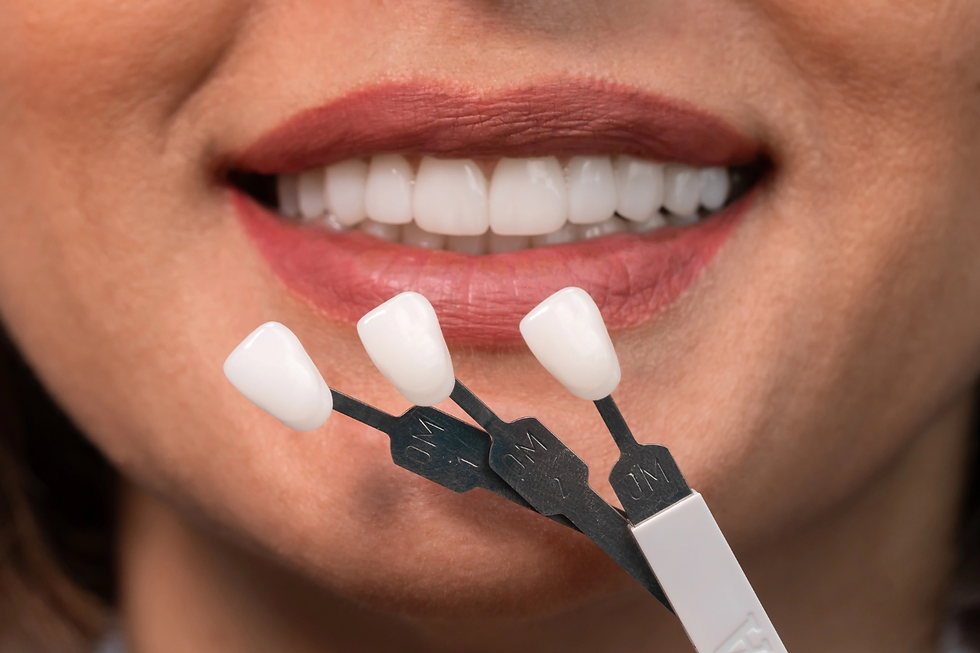
If stained, chipped, cracked, uneven or worn teeth are affecting the way you feel about your smile, veneers may be one cosmetic dentistry option to consider. Dental veneers are designed to improve the visible front surface of teeth, helping create a smoother, brighter and more balanced appearance. At Olivieri Dental Care, veneers are used to address cosmetic concerns such as chips, stains, small gaps, uneven tooth shapes and mild misalignment.
Many people know they want a smile makeover, but they are not sure whether porcelain veneers or composite veneers are the better choice. Both options can improve the look of your teeth, but they differ in material, cost, durability, treatment time and long-term maintenance. Understanding these key factors can help you have a more informed conversation with a dentist before choosing the veneer material that suits your needs, goals and budget.
What Are Dental Veneers?
Dental veneers are thin, custom-made covers that are placed on the front surface of teeth to improve their shape, colour and overall appearance. They are often used for teeth that are chipped, stained, worn, uneven, mildly misaligned or affected by small gaps. Veneers preserve more natural tooth structure than crowns and usually require only minimal preparation.
If you are considering dental veneers, your dentist can assess your teeth, discuss your cosmetic goals and recommend whether veneers are suitable for your smile.
What Are Porcelain Veneers?
Porcelain veneers are thin ceramic shells that are custom-made to fit over the front of your teeth. They are often chosen because porcelain can closely mimic the light-reflecting quality of natural enamel. Porcelain veneers are known for their durability, stain resistance and ability to blend with surrounding natural teeth.
Porcelain veneers are fabricated in a dental laboratory before being bonded to the teeth, they usually require more than one appointment. Typical porcelain veneer treatment involve a first appointment for light preparation, impressions and temporary veneers, followed by a second appointment for placement.
What Are Composite Veneers?
Composite veneers are made from a tooth-coloured resin material that is applied and shaped directly onto the teeth. Composite veneers as a more affordable alternative to porcelain that can often be completed in a single dental visit, or even made by dental laboratory if more strength and stain resistance is desired.
Composite veneers can be a suitable option for minor cosmetic improvements, such as small chips, light discolouration or subtle shaping concerns. They may not offer the same durability, shade variety or stain resistance as porcelain, but they can still provide natural-looking veneers for patients who want a more conservative or budget-conscious option.
Porcelain vs. Composite Veneers
Factor | Porcelain Veneers | Composite Veneers |
Material | Custom ceramic shells | Tooth-coloured resin material |
Appearance | Closely mimics natural enamel and reflects light like natural teeth | Natural-looking, but may offer less shade variety than porcelain |
Durability | Typically more durable and stain-resistant | Less durable than porcelain and may need replacement sooner |
Treatment time | Usually completed over more than one visit | Often completed in one visit |
Cost | Usually higher upfront veneers cost | Usually more affordable upfront |
Repairs | May require replacement if damaged | Can often be repaired more easily |
Best suited for | Long-lasting veneers and more extensive cosmetic changes | Minor imperfections, quicker treatment or budget-conscious improvements |
Both porcelain veneers and composite veneers can improve the look of your smile, but neither option is automatically right for everyone. The better choice depends on your goals, oral health, timeline, budget and how long you want your results to last.
How to Choose Between Porcelain and Composite Veneers
Start by thinking about the main concern you want to correct. If you have deep stains, larger visible chips or several uneven teeth, porcelain veneers may offer the long-lasting and polished result you want. If your concerns are minor and you want a quicker or more affordable option, composite veneers may be worth discussing.
Your timeline also matters. Composite veneers may be completed more quickly because the resin can be shaped directly on the tooth. Porcelain veneers generally take longer because they are custom-made and usually require more planning.
Budget is another important factor. While the exact veneers cost depends on the number of teeth being treated, the material used and your specific case, composite veneers usually have a lower upfront cost than porcelain veneers. However, porcelain may offer stronger stain resistance and longer-lasting results, which can affect long-term value.
At Olivieri Dental Care, the team evaluates your dental condition, discusses your aesthetic goals, and tailors the treatment plan to your specific situation. Making sure the veneers are designed to fit your smile for a natural look-or a specific shape you have in mind-is an important step that guides the entire process.
Frequently Asked Questions About Veneers
Which Veneer Material Looks Most Like Natural Teeth?
Porcelain veneers are often chosen for their natural-looking finish because porcelain reflects light in a way that is similar to tooth enamel. Composite veneers can also look natural, especially for smaller cosmetic changes, but they may not provide the same level of translucency or stain resistance as porcelain.
Do Veneers Damage Natural Teeth?
“Damage” is a loaded word that means different things to many people. Chipping or fracturing off part of a tooth is “uncontrolled damage” and can be disastrous for teeth. Veneers usually require minimal enamel preparation/removal which is “controlled damage” that does not jeopardize the health or longevity of the tooth.
Veneers also preserve more natural tooth structure than crowns and the procedure is carefully performed to preserve as much natural tooth structure as possible.
Your dentist can explain how much preparation may be needed based on your teeth and the veneer material you choose.
Are There Any Downsides to Dental Veneers?
Yes, there are a few things to consider. Veneers may require enamel preparation, especially with porcelain. Porcelain veneers may cost more upfront, while composite veneers may need replacement sooner. Veneers also do not protect teeth from cavities, so daily brushing, flossing and regular dental exams remain important.
Book a Veneer Consultation with Olivieri Dental Care in Hamilton
If you are thinking about veneers for stained, chipped, cracked or uneven teeth, Olivieri Dental Care can help you compare your options and decide whether porcelain or composite veneers are right for your smile. Our clinic provides veneers using porcelain and composite materials and has been serving patients with trusted dental care in Hamilton for 50 years.
Book a cosmetic dentistry consultation with Olivieri Dental Care to discuss your veneer goals and receive a personalized treatment plan.


